Africa’s Energy Security Moment: From Resource Wealth to Energy Sovereignty


Africa is entering a defining moment in its energy journey. Global geopolitical tensions, volatile oil markets and growing concerns about energy supply have once again placed energy security at the centre of economic and political decision-making.
For Africa, however, the challenge is more complex than simply choosing between oil, gas and renewable energy. The continent must answer a more important question: How can Africa use its vast energy resources to build secure, affordable and sustainable energy systems that support industrialisation and economic growth?
Africa is rich in oil, natural gas, solar, wind and critical minerals. Yet many African countries remain vulnerable to energy shortages and global price shocks. Some oil-producing nations still import refined fuel, while countries with enormous renewable energy potential continue to struggle with unreliable electricity supply.
This is Africa’s great energy paradox: the continent is resource-rich but remains energy insecure.
The current global energy environment is creating new opportunities for African oil and gas producers. As countries seek to diversify energy supplies, Africa’s oil and gas reserves are becoming increasingly strategic. Major developments in countries such as Nigeria, Angola, Namibia, Mozambique and Tanzania are attracting renewed international interest.
However, Africa must avoid repeating the mistakes of the past. Exporting crude oil and raw gas while importing expensive refined fuels and manufactured technologies does little to create long-term energy security.
The focus must increasingly shift towards energy value chains. This means investing in refineries, pipelines, fuel storage, gas-to-power infrastructure and regional energy markets. Nigeria’s Dangote Refinery is an example of the type of infrastructure that could change Africa’s energy landscape by increasing domestic refining capacity and reducing dependence on imported petroleum products.
Natural gas will also play an important role in Africa's future. While the global energy transition is accelerating, many African economies still require reliable and affordable energy to power industries, cities and growing populations. Gas can provide electricity, industrial heat and feedstock for fertilisers and manufacturing while supporting the integration of renewable energy.
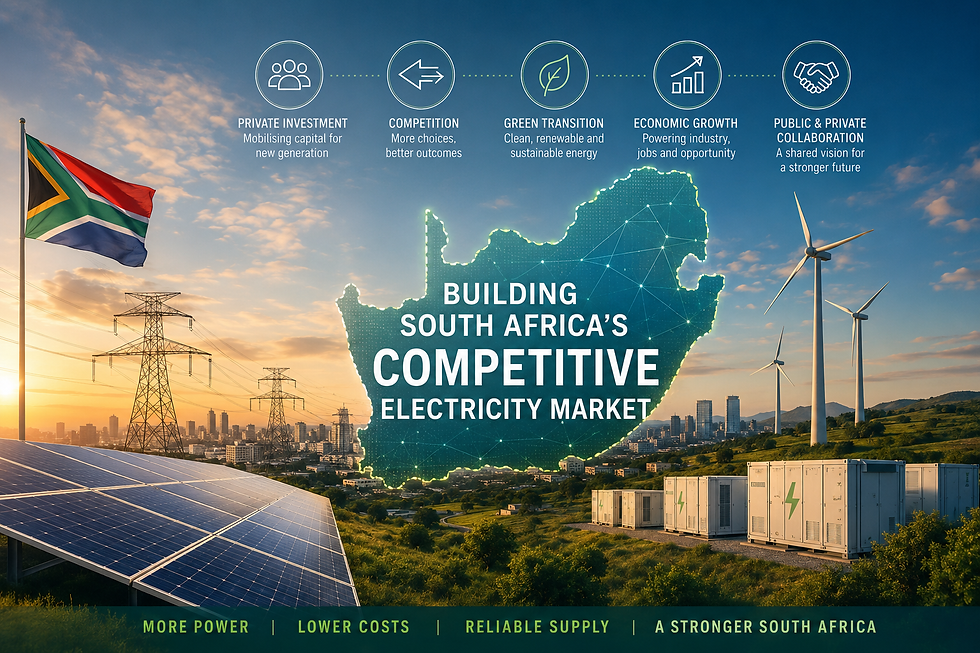
At the same time, renewable energy is becoming a critical part of Africa’s energy security strategy. Solar, wind, battery storage and decentralised energy systems can help countries reduce dependence on imported fuels and strengthen electricity access. South Africa’s growing private investment in renewable energy demonstrates how energy security is increasingly becoming a business and industrial priority.
But Africa must also guard against replacing one form of dependency with another. A transition built entirely on imported solar panels, batteries and technologies could create new vulnerabilities. Developing local manufacturing, engineering capacity and regional supply chains must therefore form part of Africa’s energy strategy.
Perhaps the most important shift is the growing recognition that Africa needs greater control over how its energy future is financed. The establishment of African-led financing mechanisms, including the Africa Energy Bank, reflects a broader push towards financing African energy development with African and regional capital.
The future of Africa’s energy security will not be determined by oil alone, nor by renewables alone. It will depend on the continent’s ability to build a diversified, resilient and integrated energy system.
Africa's real opportunity lies in moving from simply owning resources to controlling greater parts of the energy value chain. The continent must transform its oil, gas, renewable energy and critical minerals into productive economic assets, developing local refining, processing, manufacturing, transmission and energy infrastructure that create jobs, strengthen industrial capacity and reduce dependence on external markets.

Comments